
Whether you’re buying a home, preparing to sell your property, or staying on top of regular home maintenance, I provide reliable, high-quality service from your very first call. As a certified home inspector, I am committed to delivering a thorough, professional, and educational inspection experience.
I follow the Standards of Practice established by InterNACHI, a trusted leader in the home inspection industry. During your home inspection, I carefully evaluate all major systems and components, identifying any issues that may require immediate attention.
After the walkthrough, I will review the home’s overall condition with you and your real estate agent, explaining any significant findings in clear, easy-to-understand language. You’ll receive a detailed home inspection report in both HTML and PDF formats, complete with photos and descriptions of everything I inspected. This comprehensive report provides a clear visual summary of the property’s condition, helping you make informed and confident decisions.
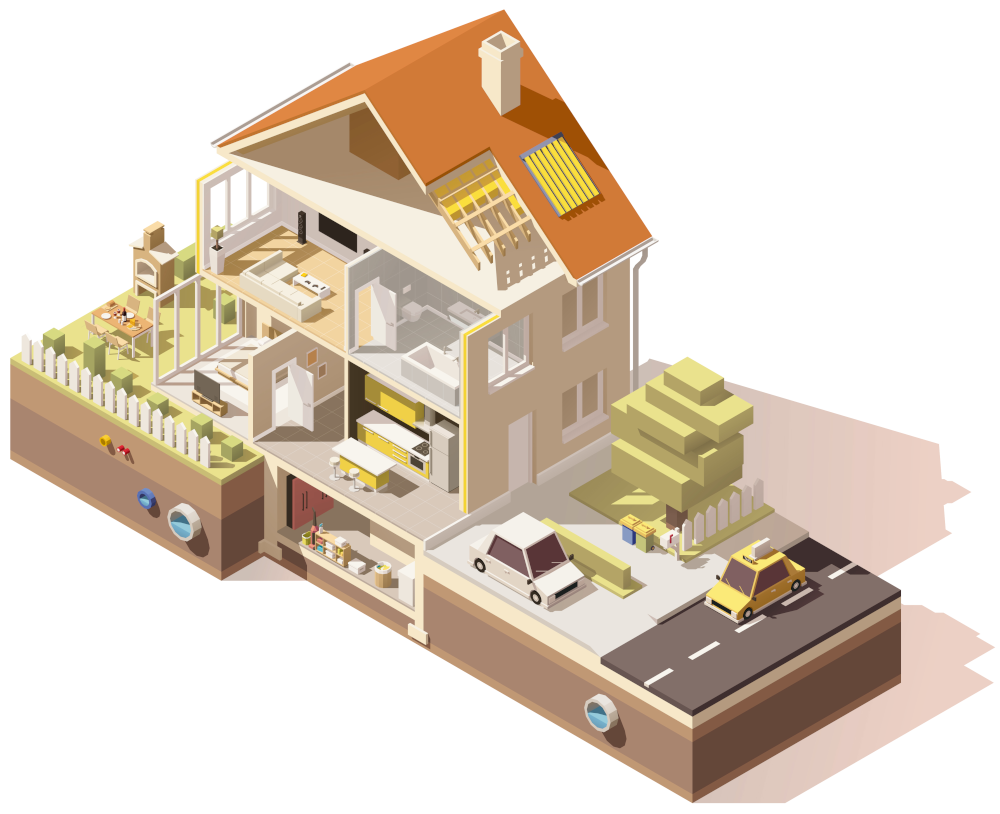
A home inspection includes checking for any structural issues such as foundation cracks, roof leaks, plumbing issues, electrical wiring, heating/cooling systems, insulation, windows, doors, chimneys, etc. Depending on how big the property is, a home inspection typically takes 3-4 hours.
Ensure all inspection points are free from clutter, including any closets that might lead to a crawlspace or attic, and clearing some space around your home’s perimeter. It’s also important to check the functionality of all built-in appliances, electric, and gas. If you don’t plan to attend the inspection, make sure your inspector has access to the home, and all pets are properly contained or moved.
A home doesn’t pass or fail an inspection. Instead, a home inspection is a thorough audit of your home’s components. In most cases, there will be concerns marked on your home inspection report, but these are strictly informative.
While you can legally skip a home inspection in many cases, doing so could mean you may end up buying a home that has major issues that need to be fixed.
While I may point out minor repairs, Oregon law prohibits a CCB-licensed home inspection business like mine from repairing, offering to repair, or bidding on any structure I’ve inspected for 12 months following the inspection (ORS 701.450). I can tell you what needs attention, and that information is valuable, but the decision of who does the work, and when, is entirely yours. This keeps you free to choose your own contractor and helps avoid any conflict of interest.
Buyers can use the inspection report to negotiate a better price or ask for repairs, while sellers can choose to address issues before listing to justify their asking price.
A home inspection evaluates critical safety concerns such as electrical hazards, carbon monoxide risks, mold, and structural integrity.
I can point out components that are nearing the end of their lifespan, such as HVAC systems or water heaters, so you can plan and budget for future repairs or replacements.
Sellers who conduct pre-listing inspections can show transparency and build buyer trust, potentially leading to quicker offers and smoother negotiations.
Knowing the condition of the home helps you feel confident in your purchase or sale and reduces surprises after the transaction.

Roof coverings, gutters, downspouts, vents, flashing, skylights, chimney, roof penetrations and the general structure of the roof.
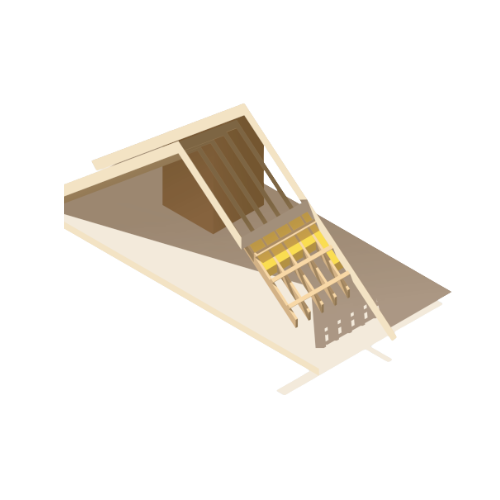
Insulation and ventilation of unfinished spaces, including attics, crawl spaces, foundation areas and exhaust systems.
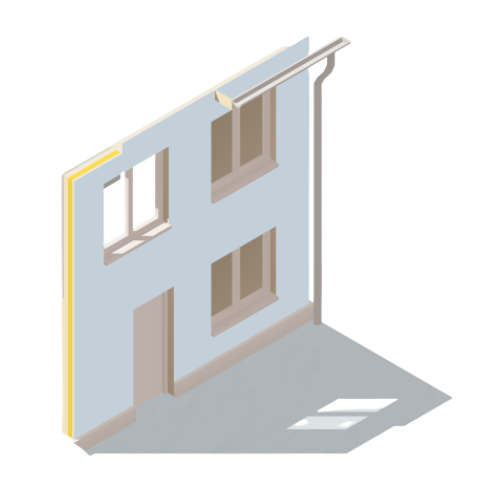
Siding, windows, exterior doors, flashing & trim, walkways, driveways, stairs, patios & decks, and drainage.

Foundation movement, cracks, structural concerns, and indication of water penetration.

Cooling system, location of thermostat, energy source and cooling method.
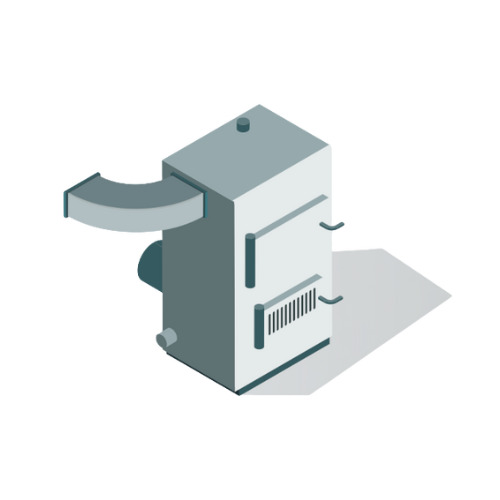
Heating system, location of thermostat, energy source and heating method.
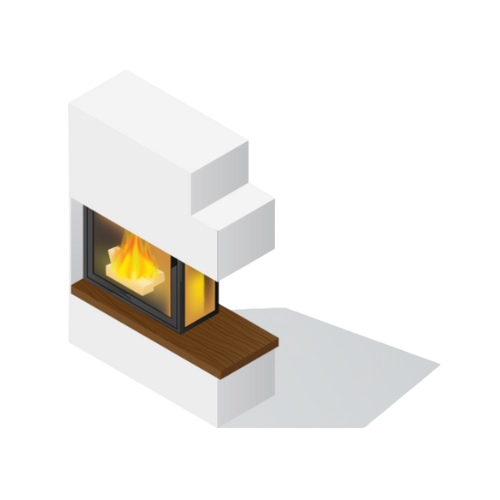
Visible portions of the fireplace & chimneys, lintels, damper doors, and cleanout doors & frames.
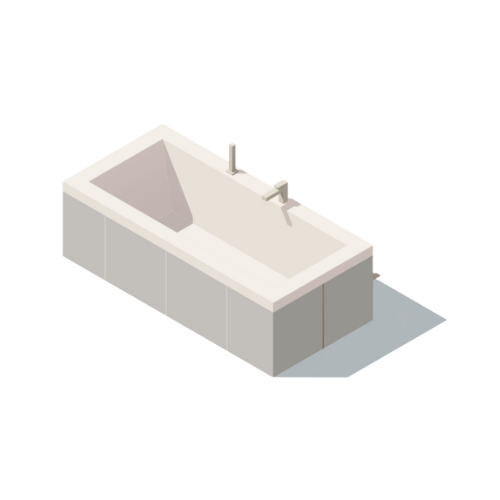
Main water & fuel supply shut-off valves, water heater, interior water supply, toilets, sinks, tubs, showers, drain, waste and vent systems.
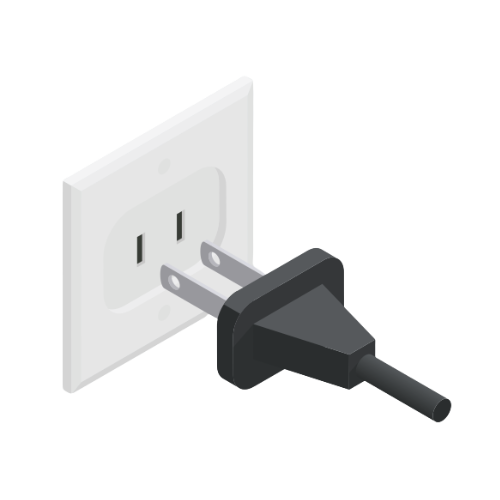
Service drop, overhead service conductors, service head & mast, main service disconnect, panelboards, grounding, switches, light fixtures, receptacles deemed to be AFCI & GFCI, and the presence of smoke alarms & carbon monoxide detectors.
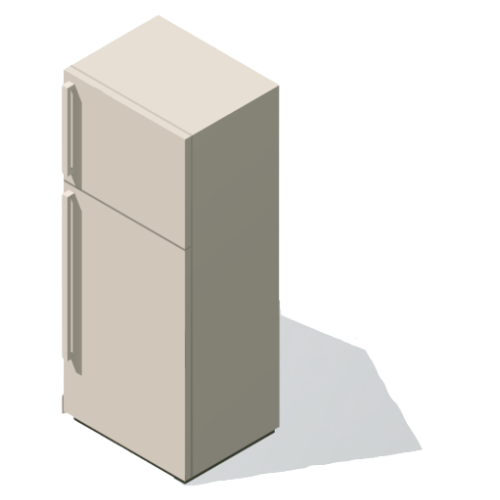
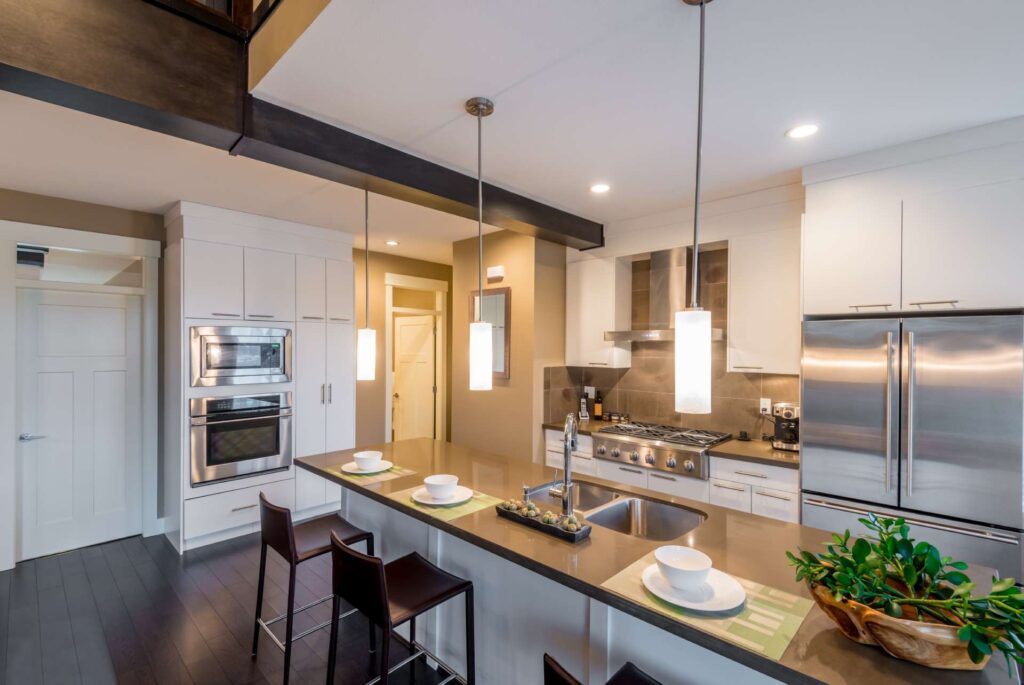
Dishwasher, disposal, range, oven, microwave, refrigerator, exhaust, bathroom heater, garage door, doorbell, and dryer vent

Representative number of doors & windows, floors, walls, ceilings, stairs, railings, garage door and openers.

We are proud to offer top-quality home inspection services to real estate agents.
Learn what aspects of your home our thorough inspectors cover.
Learn more about what you can expect from our easy-to-read home inspection reports.